
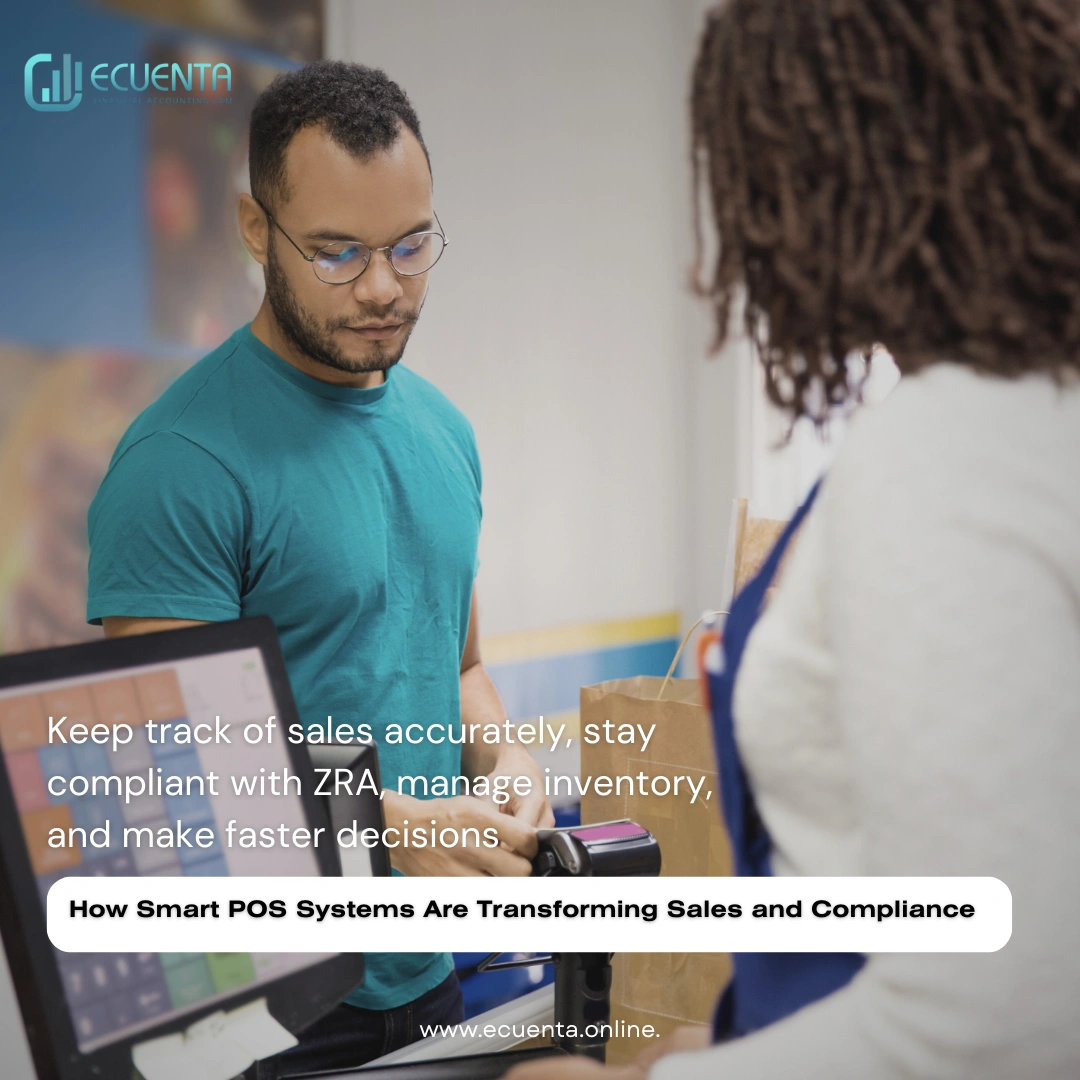
How Smart POS Systems Transform Sales and Compliance
Running a business today is no longer just about selling products. It is about tracking sales accurately, staying compliant, managing inventory, and making faster decisions—all in real time. That is where modern POS software comes in.
Across retail shops, supermarkets, restaurants, pharmacies, and growing enterprises, POS systems have become the backbone of daily operations. If you are still relying on manual billing, disconnected systems, or basic cash registers, you may already be losing money without realizing it.
This guide explains what POS software is, why it matters, and how businesses can use it to grow sustainably—with practical insights tailored to local business conditions.
What Is POS Software and Why It Matters Today
POS (Point of Sale) software is a digital system that manages sales transactions and connects them with inventory, invoicing, payments, and reports.
Unlike traditional cash registers, modern POS systems:
- Record every sale automatically
- Track stock levels in real time
- Generate ZRA compliant Smart invoices
- Support multiple payment methods
- Provide clear business reports.
In short, POS software turns daily sales data into actionable business intelligence.
The Real Problem Businesses Face Without a POS System
Many businesses struggle with:
- Stock shortages or overstocking
- Manual errors in billing
- Difficulty tracking daily sales
- Limited visibility into profits
- Compliance risks due to inaccurate records
These challenges slow growth and increase operational stress.
The bigger issue? Business owners spend time fixing problems instead of focusing on customers and expansion.
How POS Software Solves These Challenges (The Smart Way)
A modern POS system addresses these problems at the root by automating core processes.
1. Faster, Error-Free Billing
POS software ensures:
- Accurate pricing
- Automatic tax calculations
- Professional receipts and invoices
This reduces disputes, speeds up checkout, and improves customer trust.
2. Real-Time Inventory Management
Every sale updates stock instantly. You can:
- Know what is selling fast
- Avoid running out of popular items
- Reduce dead stock
This is especially valuable for retail, wholesale, and FMCG businesses.
3. ZRA Compliance-Ready Smart Invoicing
Good POS systems integrate with ZRA tax-compliant invoicing requirements, helping businesses:
- Maintain proper records
- Generate audit-ready reports
- Avoid penalties
Compliance is no longer an afterthought—it becomes automatic.
4. Multiple Payment Options
Modern customers expect flexibility. POS software supports:
- Cash payments
- Mobile money
- Card payments
This improves customer experience and increases completed sales.
POS Software for Small, Medium, and Large Businesses
One misconception is that POS systems are only for large enterprises. In reality, every business size benefits.
Small Businesses
For small shops and startups, POS software:
- Simplifies daily operations
- Reduces manual bookkeeping
- Helps owners understand profit clearly
It replaces notebooks and spreadsheets with reliable data.
Medium Enterprises
Growing businesses need:
- Multi-user access
- Inventory across branches
- Sales performance tracking
POS software provides centralized control without increasing overhead.
Large Enterprises
For established businesses, POS systems enable:
- Multi-location management
- Advanced reporting
- Integration with accounting and ERP systems
This supports scalability without losing control.
Key Features to Look for in POS Software
When choosing POS software, prioritize features that solve real problems, not unnecessary complexity.
Essential POS Features
- Sales and billing management
- Inventory tracking
- ZRA Tax-compliant invoicing
- Customer management
- Sales and profit reports
Advanced Capabilities
- Cloud-based access
- Multi-branch support
- User role controls
- Integration with accounting software
The goal is simplicity with power, not complicated systems that require constant support.
How POS Software Improves Decision-Making
A major advantage of POS software is data visibility.
With clear dashboards and reports, business owners can:
- Identify best-selling products
- Track daily, weekly, and monthly sales
- Monitor profit margins
- Make informed purchasing decisions
Instead of guessing, decisions are based on facts.
POS Software and Business Growth
Growth requires control. POS systems support expansion by:
- Standardizing processes
- Reducing dependency on manual staff work
- Ensuring consistent pricing and records
- Supporting new branches easily
Businesses that adopt POS early scale faster and more confidently.
Common Questions About POS Software (FAQ)
What is the best POS software for retail businesses?
The best POS software is one that combines billing, inventory, and compliance in a single system, while remaining easy to use and scalable.
Is POS software suitable for small shops?
Yes. POS software is especially useful for small businesses because it reduces errors, saves time, and improves cash flow visibility.
Does POS software help with tax compliance?
Yes. POS systems designed for regulated environments generate compliant invoices and reports, reducing audit risks.
How long does it take to set up POS software?
Most cloud-based POS systems can be set up within hours, not weeks, with minimal training required.
Actionable Tips Before Choosing a POS System
- List your daily operational problems first
- Choose software that matches your business size
- Ensure compliance features are built-in
- Avoid overly complex systems
- Look for local support and onboarding
A POS system should simplify your business, not complicate it.
Final Thoughts: The Smart Next Step for Business Owners
POS software is no longer optional—it is a core business tool. Whether you run a small shop or manage multiple outlets, the right POS system helps you sell smarter, stay compliant, and grow sustainably.
If your business is ready to:
- Eliminate manual errors
- Gain real-time visibility
- Improve customer experience
- Prepare for future growth
Then the next step is simple: move to a modern POS solution that works the way your business does.
The businesses that adopt smart POS systems today are the ones that lead tomorrow.
Get In Touch